

From Trash to Treasure: Innovative Upcycling Ideas for Household Waste
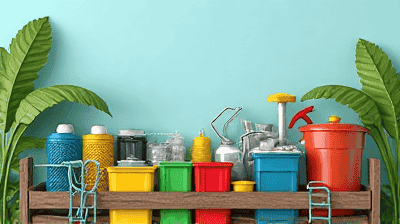
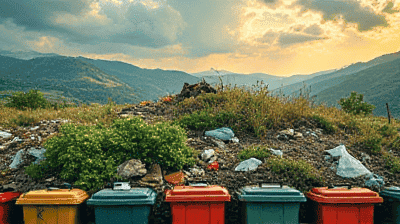
In an era where sustainability is at the forefront of global concerns, the concept of upcycling has gained significant traction among environmentally conscious individuals. Upcycling refers to the creative process of transforming waste materials or useless products into new materials or products of better quality or environmental value. By turning trash into treasure, not only do we reduce waste, but we also get to express our creativity and resourcefulness.
Understanding Upcycling
What is Upcycling?
Upcycling is more than just recycling; it is the art of reimagining discarded items, often by giving them a new purpose. While recycling typically involves breaking down materials to create new products, upcycling preserves the original item’s integrity while enhancing its value. This creative process can apply to a wide range of materials, from glass bottles and cardboard boxes to old furniture and clothing.
The Importance of Upcycling
- Waste Reduction: Upcycling helps divert waste from landfills, significantly reducing overall waste and lowering carbon emissions associated with waste disposal.
- Resource Conservation: By using existing materials, upcycling conserves natural resources and reduces the demand for new raw materials.
- Cost-Effectiveness: Upcycling can save money by allowing individuals to repurpose items they already own instead of purchasing new products.
- Creativity and Personal Expression: Engaging in upcycling projects fosters creativity and allows individuals to express their unique style and preferences.
- Community Building: Upcycling initiatives often involve collaboration, fostering community engagement and promoting sustainable practices among neighbors.
Innovative Upcycling Ideas for Household Waste
1. Glass Bottles
a. Decorative Vases
Transform old glass bottles into stunning vases by painting them, wrapping them in twine, or adding decorative elements. Simply clean the bottles and paint them in your favorite colors, or wrap them in natural jute or hemp rope for a rustic touch.
b. Candle Holders
Glass bottles, especially those with unique shapes, can make beautiful candle holders. Cut the bottle to your desired height and insert a candle or tealight holder. You can add sand or pebbles to the bottom for extra stability.
c. Outdoor Garden Lighting
To create enchanting outdoor lighting, fill glass bottles with string lights and place them around your garden or patio. This adds a magical ambiance during evening gatherings.
2. Old Clothing
a. Tote Bags
Transform old t-shirts or denim jeans into durable tote bags. Cut the bottom of the shirt or the legs of the jeans, sew or tie the bottom closed, and you have a reusable shopping bag that showcases your personal style.
b. Pillow Covers
Old clothes can also be converted into unique pillow covers. Use colorful fabrics to create a patchwork design. This adds a cozy touch to your living space while reusing materials.
c. Pet Toys
Cutting up old clothing into strips can create fun chew toys for pets. Braid the strips together to make a sturdy tug toy for dogs or a soft toy for cats.
3. Cardboard Boxes
a. Storage Organizers
Transform used cardboard boxes into stylish storage solutions. Cover them with fabric or decorative paper, and use them to organize items in your home or office.
b. Playhouse for Kids
Turn large cardboard boxes into a playhouse for children. Add windows and doors, let kids decorate it with paint or markers, and watch their imaginations come to life.
c. Wall Art Panels
Cut cardboard into artistic shapes and use them as wall art. Paint or wrap them in fabric to create eye-catching decorative pieces for your home.
4. Plastic Containers
a. Herb Planters
Repurpose plastic containers, such as yogurt or margarine tubs, into herb planters. Drill small holes for drainage, fill with soil, and plant your favorite herbs. These can be placed in your kitchen for easy access while cooking.
b. Bird Feeders
Create a simple bird feeder by cutting openings in a plastic container and hanging it from a tree. Fill it with birdseed, and enjoy watching the birds visit your yard.
c. Desk Organizers
Turn plastic containers into desk organizers by cutting and decorating them as needed. Use them to sort pens, paperclips, and other office supplies for a tidy workspace.
5. Wooden Pallets
a. Garden Furniture
Old wooden pallets can be repurposed into charming garden benches or tables. Sand them down, paint or stain them, and arrange them in your backyard or patio.
b. Vertical Gardens
Use pallets to create a vertical garden. Attach planters to the slats, fill them with soil, and plant flowers or herbs for a space-saving garden solution.
c. Wall Art
Create rustic wall art by painting or stenciling designs on disassembled pallet boards. Arrange the pieces in a geometric pattern for a contemporary look.
6. Tin Cans
a. Planters
Clean and paint old tin cans to use as planters for small flowers or herbs. Punched tin cans can also provide drainage and add a rustic touch to your garden.
b. Pencil Holders
Transform tin cans into decorative pencil holders for your desk. Wrap them with fabric, paint, or decorative paper for a personal touch.
c. Kitchen Utensil Holders
Use larger tin cans to manage kitchen utensils. Decorate them to match your kitchen theme, ensuring that your utensils are always within reach.
7. Old Jars
a. Spice Jars
Repurpose old jars as spice containers. Label each jar for easy identification, and store them in your kitchen for a neat and organized spice rack.
b. Bathroom Storage
Use jars to store cotton balls, swabs, or small toiletries in your bathroom. This not only keeps items organized but can also add a decorative element to the space.
c. Night Lights
Transform jars into beautiful night lights by adding string lights inside or placing a candle at the bottom. This creates a warm glow for nighttime ambiance.
Tips for Successful Upcycling Projects
1. Start Small
If you are new to upcycling, begin with small projects that require minimal materials and effort. As you become more comfortable and creative, you can tackle larger and more complex projects.
2. Gather Materials
Collect materials from your home that would otherwise be thrown away. Designate a specific area for collecting these items, making it easier to access them when inspiration strikes.
3. Get Inspired
Explore online resources, social media platforms, and upcycling blogs for inspiration. Websites such as Pinterest offer a plethora of ideas for transforming everyday items into stunning creations.
4. Be Creative
Don’t hesitate to think outside the box. The beauty of upcycling lies in its boundless creative potential. Experiment with different techniques, colors, and styles to create something unique.
5. Involve Others
Engaging friends and family in upcycling projects can turn a simple task into a fun activity. Host a crafting party where everyone brings unwanted items and collaborates on upcycling projects together.
6. Share Your Creations
Don’t keep your upcycling projects to yourself. Share your creations on social media or community platforms. This not only encourages others to try their hand at upcycling but also fosters a community of like-minded individuals.
The Long-Term Benefits of Upcycling
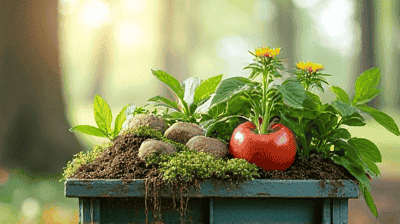
While the immediate benefits of upcycling are evident, there are also long-term advantages worth noting:
1. Environmental Impact
By reducing the amount of waste that ends up in landfills, upcycling contributes to lower greenhouse gas emissions and a smaller carbon footprint. This helps mitigate the impact of climate change and fosters a healthier planet.
2. Economic Savings
Engaging in upcycling projects can lead to significant cost savings over time. Instead of purchasing new items, you can creatively reuse what you already have, resulting in reduced household expenses.
3. Skills Development
Upcycling encourages the development of various skills, including crafting, design, and problem-solving. These skills can be valuable in other areas of life, fostering personal growth and development.
4. Community Connection
Participating in upcycling activities can strengthen community ties. By working on projects together, neighbors can bond, share ideas, and create a sense of belonging centered around sustainability.
5. Personal Satisfaction
There is a unique sense of fulfillment that comes from transforming discarded items into functional or aesthetically pleasing creations. Upcycling fosters a sense of pride in one’s resourcefulness and creativity.
Conclusion
The journey from trash to treasure through innovative upcycling ideas is not only a creative endeavor but also a vital step toward sustainability. By incorporating upcycling into our daily lives, we can make a meaningful contribution to waste reduction, resource conservation, and community building. With endless possibilities and opportunities for personal expression, upcycling allows us to reimagine and repurpose items that would otherwise be neglected.
As we embrace this eco-friendly practice, it is essential to remember that every small effort contributes to the larger goal of creating a sustainable future. So gather those discarded items, unleash your creativity, and start transforming trash into treasure today.